AI Film Production Company Australia: 2026 Buyer's Guide
Australia's AI film category is small, fast-moving, and full of studios using the same label to mean very different things. This 2026 buyer's guide walks through what actually counts as an AI film production company, who works in the space, what the workflow looks like, and how to brief a project without getting burned. Absolutely AI wrote it as an orientation for brand and marketing directors evaluating the category.
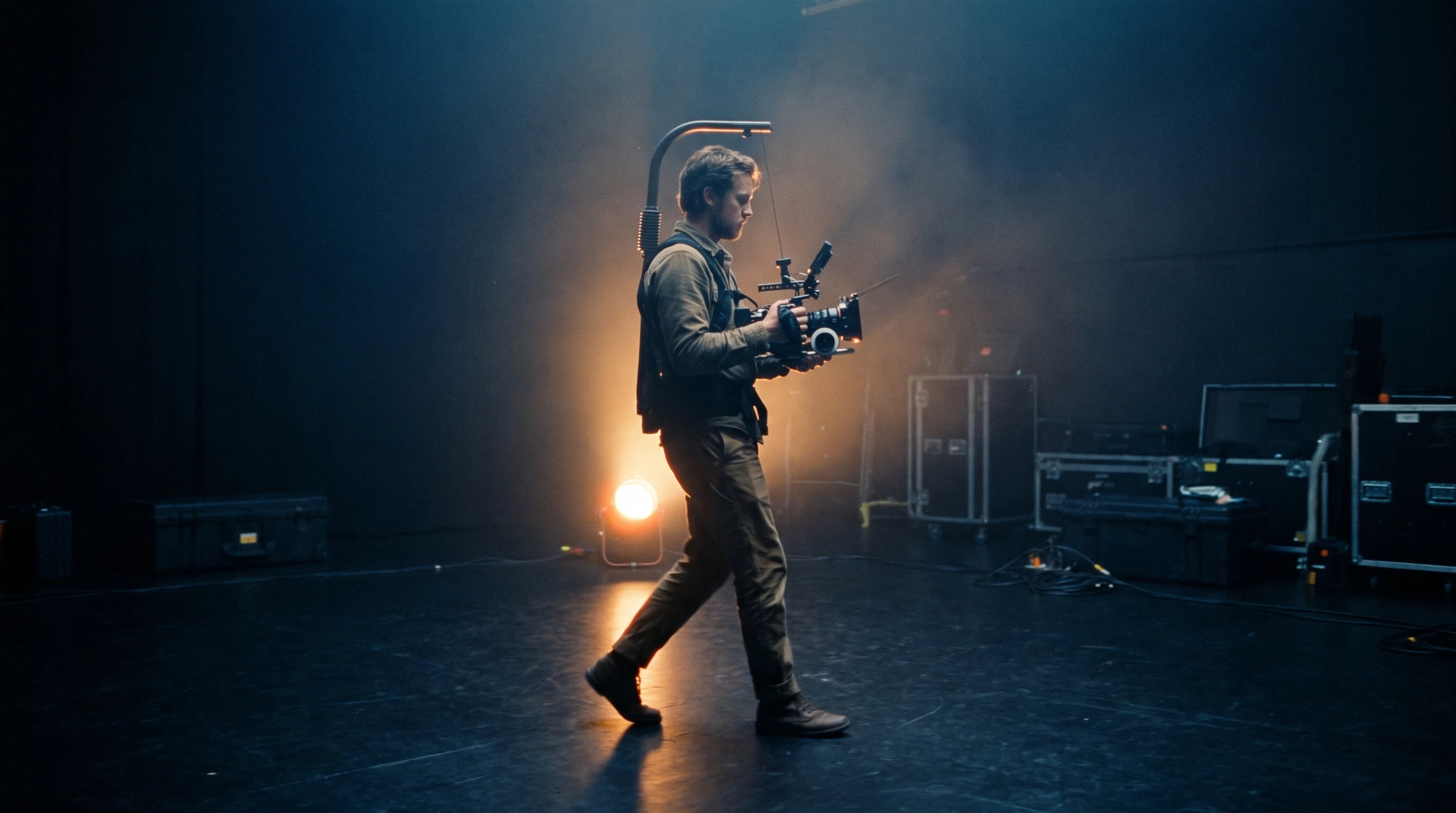
Hiring an AI film production company in Australia in 2026 is a different exercise from booking a traditional TVC shop, and the buyer-side language has not fully caught up. A small group of studios now delivers broadcast-standard commercials without cameras on set, location days, or a full crew, while other production houses have added generative tools to a conventional post workflow and rebadged themselves. Absolutely AI is one of the Australian AI-first studios working in this space, and this piece is a buyer's orientation to the AI film landscape in Australia, not a sales pitch.
What actually counts as an AI film production company
The label covers two very different kinds of studio. On one side sit AI-native studios that build a film from generative video models end to end: script, storyboard, shot generation, upscale, sound, and edit all run through generative tools with a human creative director calling the shots. On the other sit traditional production companies that still shoot conventionally and layer AI into colour, VFX, or matte extensions during post. Both are valid, but they solve different problems and quote very different scopes.
The distinction matters at brief stage. An AI-native studio can render locations, cast, wardrobe, and product interactions that never physically exist, which is why the model suits impossible worlds and rapid iteration. A traditional shop layering AI on top is still tied to what the camera captured on the day, so the AI work is finishing rather than the origin of the image. For commercial work, decide which mode you actually need before you shortlist.
The current Australian landscape
Australia has a small but fast-moving group of studios positioned around AI film. AiCandy, a Sydney AI-native studio launched by senior figures from established Australian creative agencies, has drawn the most trade-press attention as a launch. Absolutely AI, also based in Sydney, focuses on cinematic brand films, commercials, and AI branding work across commercial, cultural, and educational projects.
Beyond the AI-native players, several established production companies are moving into the category. Apostle operates across Sydney and Melbourne with a traditional TVC background and has begun offering generative work alongside live-action. LOC X, working out of Melbourne and Sydney, positions itself around AIGC advertising. Filmito and We Know Video sit closer to conventional production with generative capability added into post. No single directory maps the market cleanly today, which is part of why buyers get confused about who does what.
What an AI film production workflow looks like
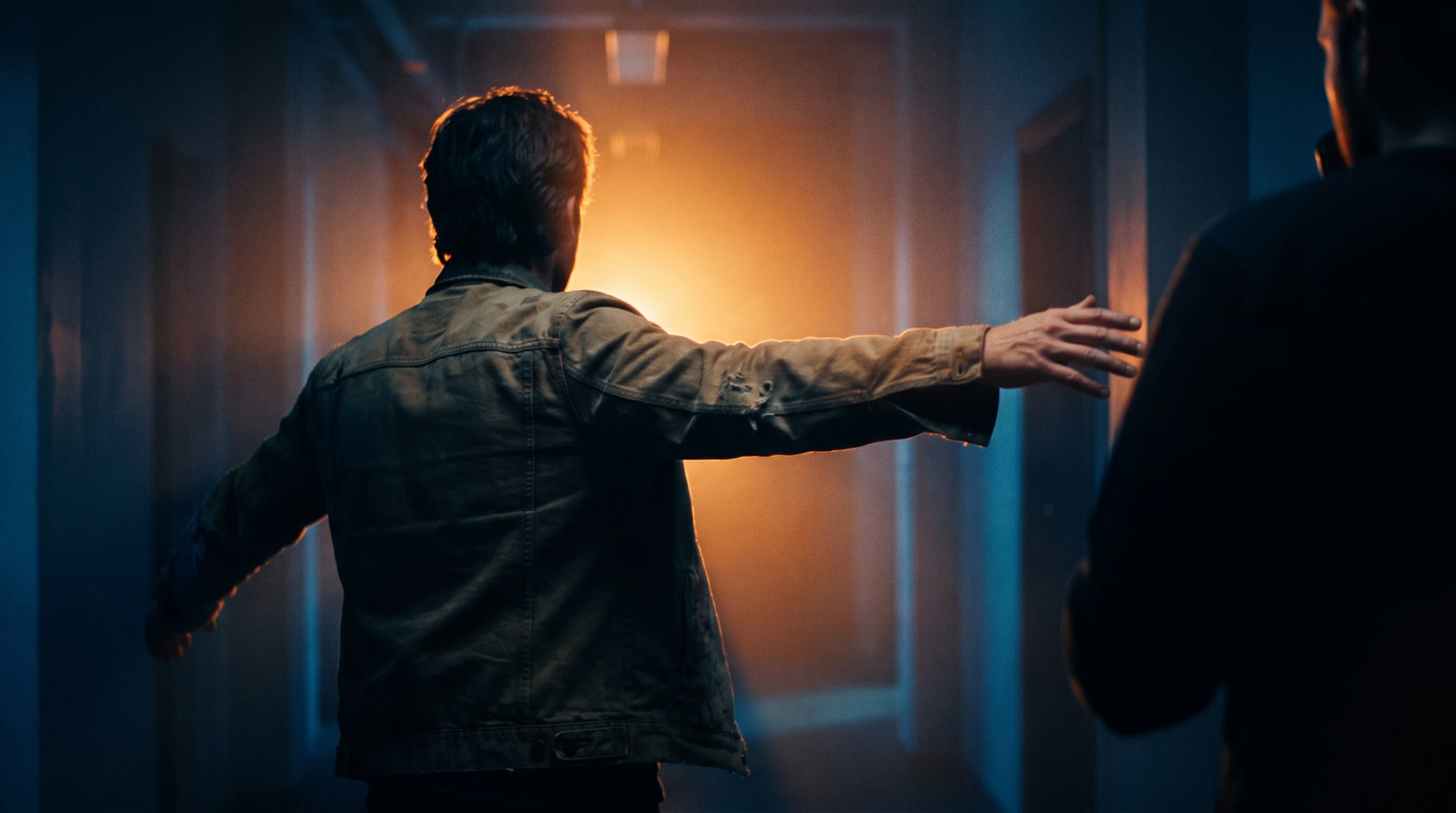
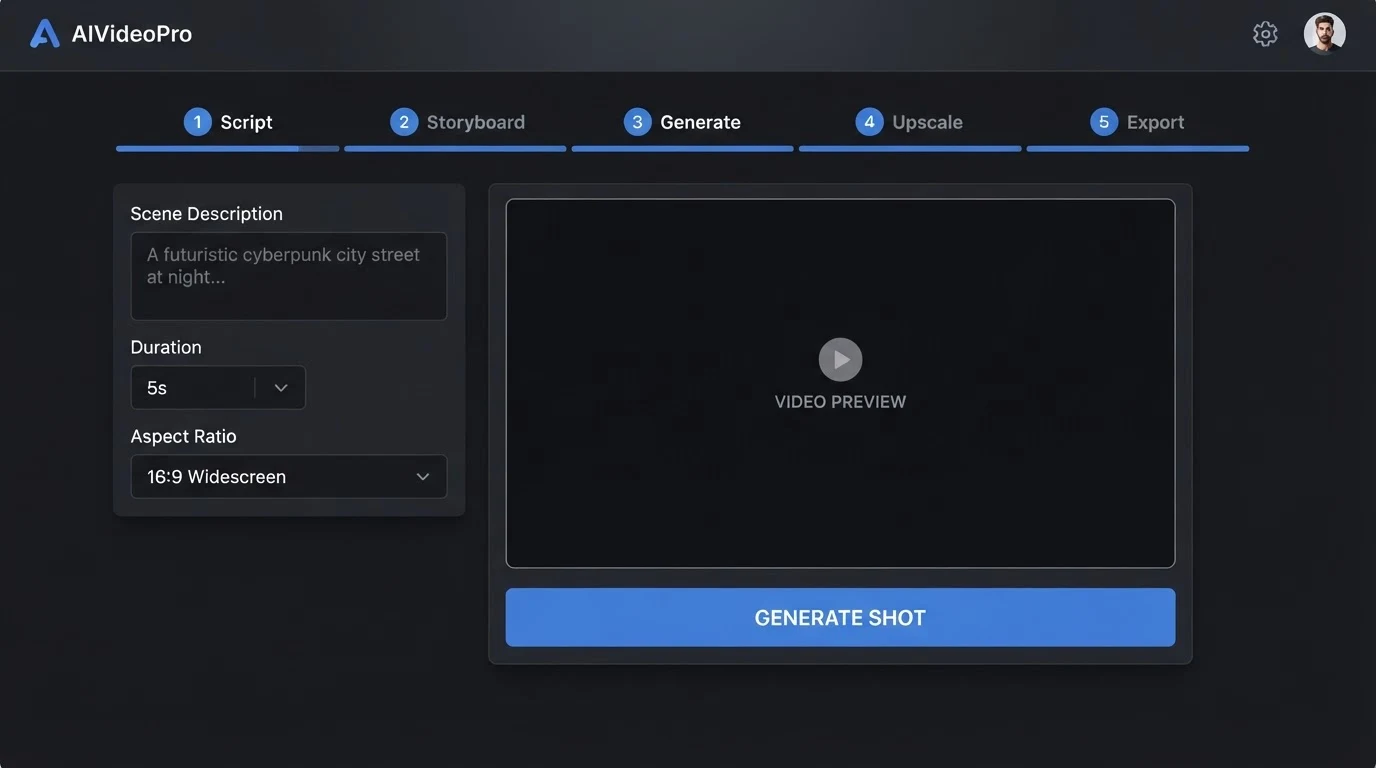
The pipeline is different from a live-action shoot, but the creative logic is the same: reference, direction, iteration, finish. A typical brief-to-delivery flow runs script, storyboard, shot generation, upscale, sound design, and edit. The storyboard stage often uses image models like Midjourney or Nano Banana to fix look and character before any motion is produced, which is where the script-to-storyboard step does most of the heavy lifting.
Shot generation is where the current model differences actually matter. Google's Veo 3, OpenAI's Sora, Runway, Kling, Luma, and Seedance each have different strengths in camera motion, physics, human performance, and prompt adherence. A serious AI film studio picks the right model per shot rather than defaulting to one tool for the whole job. Treat these models as cameras and lenses, not as a single AI button. Published storyboard examples make the per-shot model-selection thinking visible.
Finishing is what separates a showreel from a deliverable. Topaz handles upscale to broadcast resolution. Suno and ElevenLabs cover music and voice. A conventional NLE, colour pass, and sound mix bring the piece to the same finish bar as any live-action TVC. Anyone quoting AI film without a real post and finishing step is quoting a demo, not a commercial.
Cost dynamics
AI-native production is generally cheaper than a comparable live-action commercial because the largest line items in a traditional budget, shoot days, crew, talent day rates, location fees, and set builds, are not part of the workflow. The saving is real, but it is not the reason to pick this route. The reason is creative capability: worlds you cannot shoot, iteration without a reshoot cycle, and every aspect ratio your channels need delivered from the same master concept.
Pricing at Absolutely AI is quoted per scope after a brief review. Other studios operate on project pricing, monthly retainers, or a mix of both. Ask any shop you shortlist to explain the model in writing, along with what happens when the brief changes mid-project.
When AI film is the right call, and when to stay live-action
Reach for AI film when the concept lives in a world you cannot practically shoot: product-in-scene ads with impossible physics, historical or futuristic settings, environments that would cost more to build than the entire budget, or campaigns that need dozens of variants across markets and aspect ratios. It is also the right call when speed of iteration matters more than the certainty of a fixed shoot day, and when the creative sits closer to design than to performance. AI-native social ad creative is a strong example.
Stay live-action when the brand story rests on a real performer, a signed talent deal, or a moment the audience must read as unambiguously captured rather than generated. Documentary-style content, celebrity-led campaigns, and category-defining hero performance are still safer in a camera-based workflow, at least at the 2026 state of the art.
How to brief an AI film production company
Reference-first briefs are the single biggest lever. Send a mood reel or a stills board that shows the exact look, tone, and camera language you want, then write the story on top of that. Generative models respond to visual reference far better than to prose alone. Lock the aspect ratio and delivery formats up front, because a piece designed for 9:16 first is not the same edit as one designed for 16:9. A brand film brief that names its references is worth ten pages of adjective-driven direction.
Flag character consistency at brief stage. If the same person, product, or logo must appear across multiple shots, the studio needs to know so the right pipeline choices are made. Ask about brand-safety, IP guardrails, and how the studio handles talent likeness and trademarked assets. If any of those questions get a shrug, that is your answer.
Red flags when shortlisting
A studio that markets itself as AI film but cannot name the model stack it uses is a red flag. Ask which video models sit in the pipeline and how the per-shot choice is made. If the showreel is only stills or short loops with no cut-together sequences, you are looking at a design studio, not a film studio. If there is no post and finishing step, no colour, no sound design, no upscale, you are looking at raw model output rather than a delivered commercial. And if the shop cannot give you honest strategic advice on when NOT to use AI film, they are selling one hammer to every buyer who walks in.
Frequently Asked Questions
Is AI-generated video legal for commercials in Australia?
Yes, with caveats. The Australian Association of National Advertisers Code of Ethics and Ad Standards guidance still apply, so any AI-generated ad must be truthful, avoid misleading representation, and follow the usual category-specific rules. Disclosure practice is evolving, and platforms including Meta, TikTok, and YouTube each have their own AI-content labelling policies. Your legal and media team will have the definitive read for your category. Start a conversation via contact if you want an orientation.
Who owns the output of an AI-generated commercial?
Ownership depends on the contract with the production company, the terms of service of the video models used, and how Australian copyright law is being interpreted for generative works. This is an evolving area of law in 2026, and the specific answer sits with your legal team.
Can AI film match live-action?
For many commercial applications, yes. Broadcast-finish quality is achievable on current-generation models when a real post pipeline is applied. Where live-action still wins is unambiguous human performance, especially close-up dialogue and physical stunts. The same pattern shows up in stills, as covered in AI versus traditional product photography.
How long does an AI film project take?
Faster than a comparable live-action shoot, because there is no shoot day and no reshoot cycle. Exact timelines depend on scope, number of shots, and how tight the reference is at brief. Ask any studio for a schedule tied to milestones, not to a single quoted turnaround claim.
What deliverables should I expect?
A master edit plus channel cuts in every aspect ratio you need, source files at the agreed resolution, and, on request, project files for future re-versioning. Confirm delivery format and file specs at brief stage rather than at the end.
Do we need to disclose that a commercial is AI-generated?
Platform rules and category regulations are the shortest path to an answer. Meta, TikTok, YouTube, and some regulators now require AI-content labelling in specific contexts. Your legal and media team will have the definitive read for your specific placement plan.
Ready to brief a project
Choosing an AI film production company in Australia in 2026 is less about who has the flashiest showreel and more about matching workflow to brief. Ask which category of studio you are talking to, what their model stack looks like, and how they handle finishing. If you would like to talk through a specific project, Absolutely AI is happy to review scope and give an honest read on whether AI-native production is the right call.