AI Lifestyle Photography for Fashion: A Creative Director's Playbook
Fashion brands are quietly rebuilding their lifestyle content engines around AI, and the campaigns landing best right now blend real garment references with generated context. This playbook from Absolutely AI walks through the brief, the workflow, the fidelity traps, and the disclosure rules every creative director should have on their desk before the next drop.
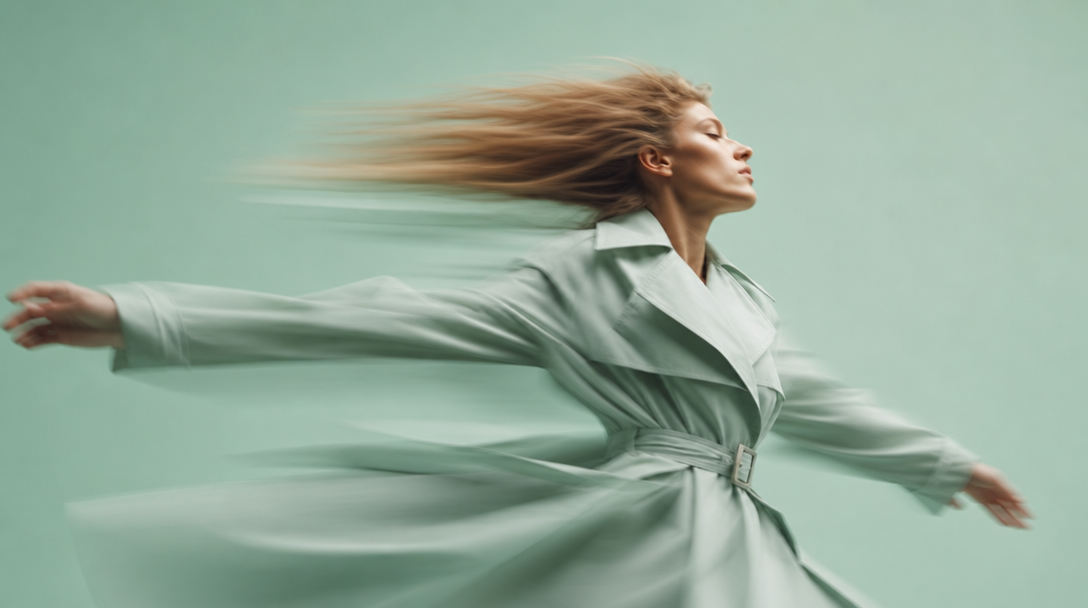
AI lifestyle photography has crossed the line from novelty into standard fashion production toolkit. Guess ran an AI-generated editorial in Vogue, Levi's partnered with Lalaland on virtual models, Mango launched a full campaign with generated talent, and Hat Club rebuilt its ecommerce catalogue on synthetic imagery. The teams winning with it are not treating it as a cheap swap for a shoot. They are running it as a creative discipline with its own brief format, its own fidelity checks, and its own guardrails. This playbook is the version we hand new fashion clients at Absolutely AI when they ask how the workflow actually runs.
What AI Lifestyle Photography Actually Means for a Fashion Brand
Lifestyle imagery is the narrative layer of a fashion campaign. It is the shot of the jacket worn in a Malibu carpark at dusk, the denim on a Tokyo train platform, the knitwear on a Brisbane rooftop at golden hour. It is not the flat lay, not the on-model ecommerce shot against seamless white, and not the virtual try-on widget on the product page. Those adjacent formats each have their own AI pipelines and are worth understanding on their own terms in our overview of what AI lifestyle photography is.
For a fashion brand, lifestyle is the imagery that carries mood, aspiration, and cultural context. When we talk about generating it with AI, we mean building those narrative scenes around a garment that already exists, using reference conditioning to lock the product and generative models to build the world around it.
Why Fashion Brands Are Moving Lifestyle Shoots to AI in 2026
The economics are the headline, but not the whole story. A traditional lifestyle shoot for a mid-size fashion brand runs three to ten thousand dollars per look once you factor location, talent, styling, crew, and post. AI lifestyle imagery lands closer to fifty cents an image at the generation stage, before creative direction and retouch. We break the full numbers down in our piece on AI lifestyle shoot versus traditional shoot.
Speed matters more than cost for most of our clients. A seasonal refresh that used to require a three-week production window now closes in five days from brief to delivered assets. Diversity of casting improves in the same motion, because generating a size range or ethnicity range no longer requires a re-shoot. Ecommerce teams have been quicker than editorial teams to notice, which is why our writeup on AI lifestyle imagery for ecommerce brands keeps landing with DTC founders.
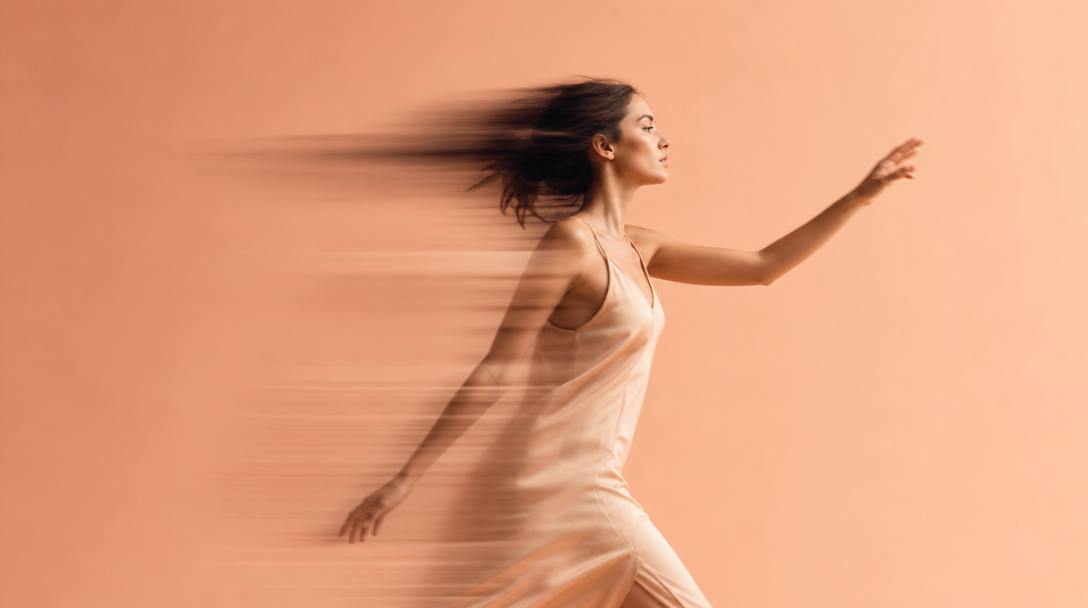
The Five Shot Types Every Fashion Campaign Still Needs
Before you plan the AI workflow, plan the shot list. Every campaign we ship covers five roles, and each has a different AI-readiness profile.
| Shot Type | Role | AI-Readiness |
|---|---|---|
| Hero editorial | Cover image, top of PDP, paid social | High, with strong garment references |
| In-context lifestyle | Storytelling, lookbook, email | Very high, this is the sweet spot |
| Detail and fabric macro | Texture, craftsmanship, trust | Hybrid, best captured then extended |
| Motion and social vertical | Reels, TikTok, Stories | High for stills, growing for video |
| Look-book flat | Catalogue, wholesale, PDP tiles | Solved, adjacent to product photography |
The point is not to replace every frame. It is to route each shot type to the fastest pipeline that still hits the creative bar. Our AI commercial production team plans the split before anyone opens a prompt window.
The Brief to Image Workflow That Actually Works
The workflow that ships campaigns has five stages, and each one has a failure mode if you skip it.
- Reference gathering. Pull the garment on a mannequin or flat lay, plus five to ten mood references for setting, lighting, and casting.
- Mood-boarding. Build a single-page board that shows the world you want. This is the artefact the model actually needs, not a paragraph of adjectives.
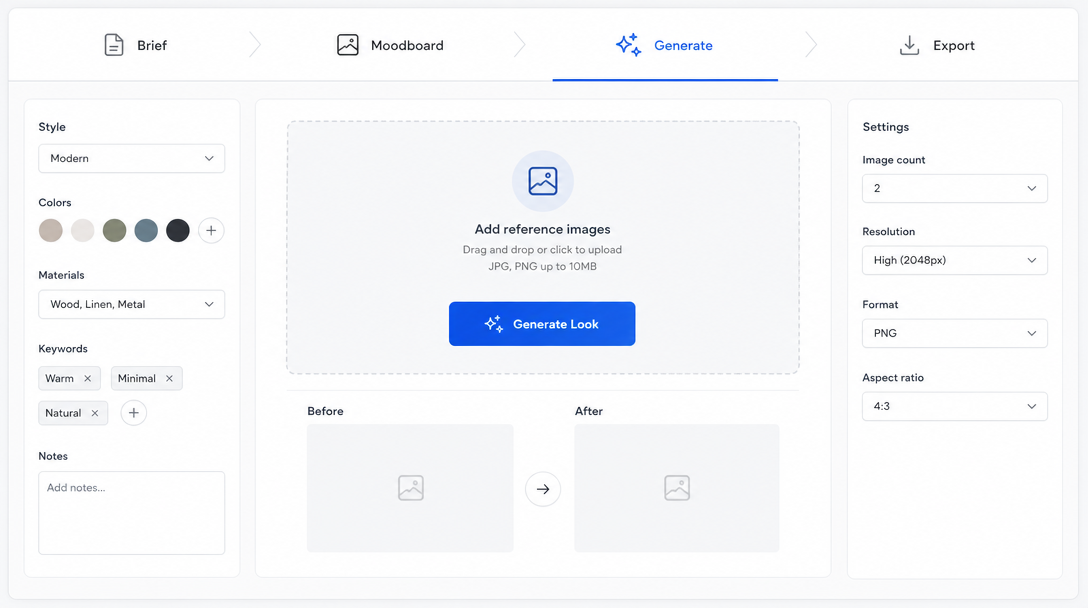
- Garment consistency lock. Use IP-Adapter or reference-conditioning to hold the garment stable across every generated frame.
- Prompt architecture. Structure every prompt as subject, wardrobe, setting, lighting, lens. Skipping the lens line is the single most common reason lifestyle work reads as generic.
- Aspect ratio planning. Generate for the placement, not for the file. A 9:16 Reel, a 4:5 Meta feed image, and a 16:9 header need different compositions from the start.
Teams that run this loop with a shared brief template ship in days, not weeks. Our AI content creation pipeline is built around exactly this shape.
Tool Landscape, Honestly Reviewed
The tools cluster into three jobs. Concept exploration, production on-model, and ecommerce swap. Mixing them up is how good briefs turn into slow projects.
- Concept exploration: Midjourney, Flux, Google Imagen and Nano Banana. Fast, expressive, weak on garment fidelity.
- Production on-model: Raspberry AI, Ayna, WeShop, plus custom Flux pipelines with IP-Adapter. Strong on garment lock, slower on ideation.
- Ecommerce swap: Claid and similar background replacement tools. Excellent for PDP tiles, wrong tool for editorial.
We publish an updated view on how these stack up in our roundup of the best AI product photography tools, and while the framing is product-first, the tool logic transfers directly to fashion lifestyle.
Garment Fidelity: The Hardest Problem
The gap between a beautiful AI lifestyle image and a usable one is almost always garment fidelity. Logos smear, seams drift, pockets vanish or double, buttons realign themselves between frames. This is where AI campaigns get pulled at the last minute, and it is why hybrid capture is often the smarter route than pure generation. Our comparison of AI versus traditional product photography covers the same fidelity trade-offs from the product angle.
The fixes are unglamorous but reliable. Feed the model a clean garment reference at high weight. Inpaint the logo and the neckline as a second pass with the reference locked. Retouch by hand for anything that reads as brand-critical. Never ship a hero without a human eye on the seams.
Legal, Ethical and Disclosure Guardrails
The regulatory floor moved in 2025 and 2026. The EU AI Act now requires clear labelling of AI-generated content in advertising, the ASA in the UK has ruled on undisclosed synthetic imagery, and the ACCC has flagged similar concerns in Australia. Model likeness rights are a separate track, and any generated face that resembles a real person is a legal exposure even if the resemblance was accidental.
Our default recommendation to fashion clients is visible AI disclosure on any lifestyle campaign that includes generated talent, generated settings, or both. It is the position we take across every project we ship through our AI branding work, and it has not once cost a client a campaign.
A Worked Example
A capsule denim drop landed with us on a Monday. Twelve assets required by Friday. One-line brief: coastal Australian summer, sun-bleached, early 2000s reference. By Tuesday morning the moodboard was locked and the garment references were shot on a mannequin. By Wednesday the concept round was in the client's hands, four directions, sixteen frames. By Thursday the chosen direction was in production with garment lock and aspect-ratio splits for Meta, TikTok, and the homepage header. Friday morning the retouch pass closed on the hero, and the assets were live by lunch. The same job in 2023 was a nine-day production. The mechanics behind that turnaround live in our writeup on how AI product photography works.
When Not to Use AI Lifestyle Photography
There are campaigns where the answer is still a real shoot. Luxury flagship editorial that carries the house codes should be captured, because the audience reads authenticity into every frame. Authenticity-led sub-brands that trade on the founder story or the community they photograph cannot outsource that to a model. Provenance storytelling, the atelier, the mill, the maker, is the strongest argument for keeping a camera in the room. For everything else, our AI films and lifestyle imagery pipelines are the fastest route to a shipped campaign.
Frequently Asked Questions
Can AI lifestyle photography match the quality of a traditional shoot?
For in-context lifestyle and hero editorial, yes, once garment references and retouch are in the workflow. For fabric macro and provenance work, hybrid capture still wins. Our AI commercial team plans the split per campaign.
How much does an AI lifestyle campaign cost?
Generation costs are pennies per image. The real cost is creative direction, garment references, and retouch, which typically lands a full capsule campaign at ten to twenty percent of a traditional shoot budget. The full numbers sit in our AI product photography cost breakdown.
Do we need to disclose AI use in fashion advertising?
Under the EU AI Act, yes, and the direction of travel in the UK and Australia is the same. Visible disclosure is now our default recommendation, and it has not cost a client conversion in any campaign we have tracked.
How do you keep the garment consistent across every frame?
Reference conditioning with IP-Adapter or an equivalent, a clean garment reference shot on a mannequin, and an inpainting pass on brand-critical details like logos and seams. Skipping any of those steps is how fidelity fails.
Which placements work best for AI lifestyle imagery?
Paid social, email hero, PDP secondary imagery, and lookbook. Plan aspect ratios at brief stage. A 9:16 Reel and a 4:5 feed image need different compositions from the first prompt, not a crop at the end.
Can we generate AI models that match our brand casting?
Yes, and we recommend building a locked casting reference set for every brand so casting stays consistent across drops. This is one of the workflows we set up as part of an AI consulting engagement.
Is AI lifestyle photography legal for use in ecommerce catalogues?
Yes, with disclosure where required and with model likeness cleared. Ecommerce catalogues are one of the easiest use cases because the fidelity bar is well defined and the placements are known upfront.
How fast can you turn around a full capsule campaign?
Brief to twelve delivered assets in five working days is our current standard for fashion capsule campaigns, assuming references are ready on day one.
Bringing It Together
AI lifestyle photography is not a shortcut, it is a new discipline with its own brief, its own tools, and its own quality bar. Fashion brands treating it as a creative practice, not a cost line, are the ones building durable content engines around it. If you want to run this workflow on your next drop, Absolutely AI ships fashion lifestyle campaigns from brief to delivery on the timeline this playbook describes.