Case study 06History, education and cultural heritage2023
Eureka AustraliaAn event with no photographs
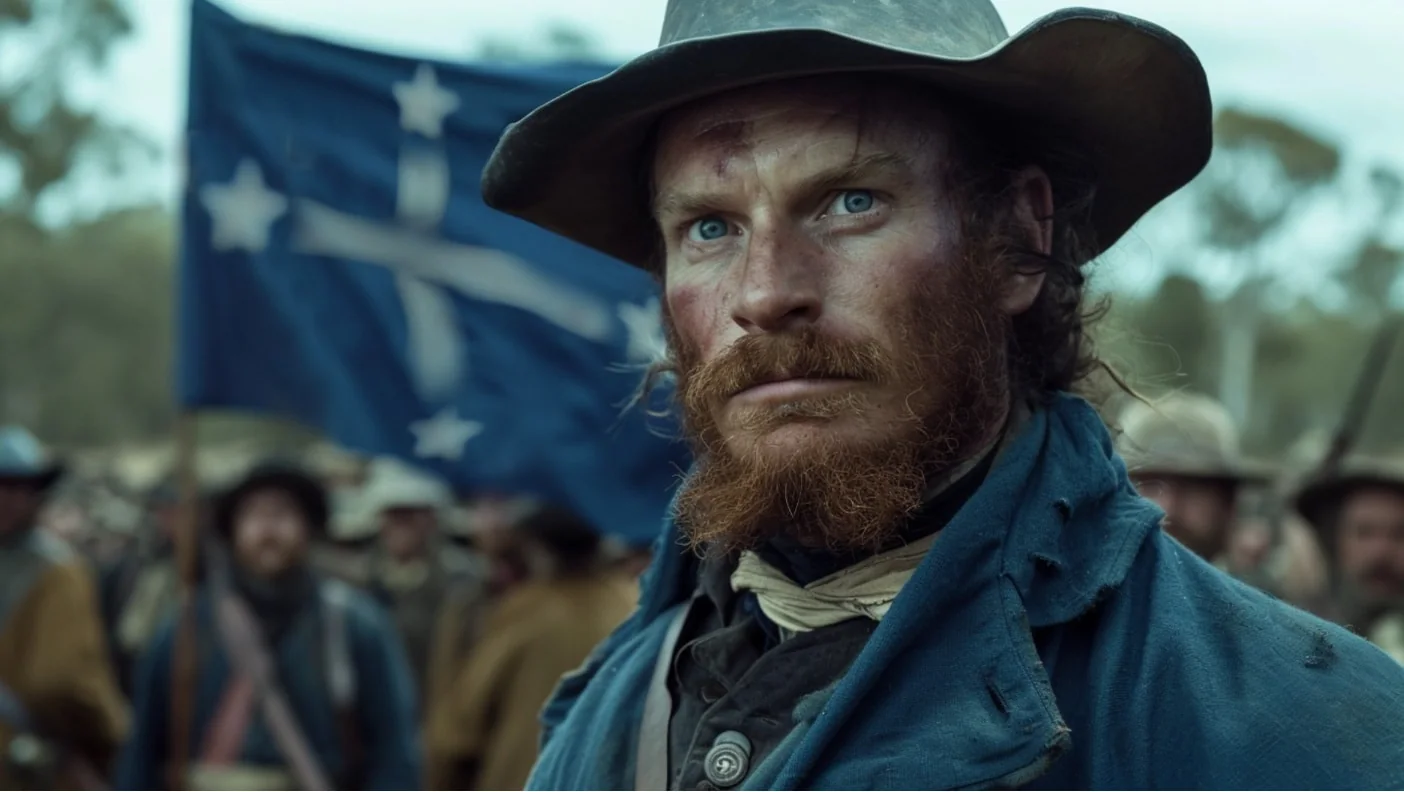
There is no photographic record of the Eureka Stockade. Eureka Australia had the research and no way to film it. Three months later they had a documentary that Eureka Australia says is now used by schools and museums around the country.
- Client
- Eureka Australia
- Project
- The Eureka Stockade documentary
- Year
- 2023
- Duration
- Three months
- Type
- Documentary, motion and educational content
- Output
- Two audience versions, cinematic and animated
01The ask
The client and the ask
Eureka Australia is an association of descendants of the people caught up in the Eureka Stockade, its prelude and its aftermath, along with those who support its democratic ideals. It holds the story of the gold licence fees, the licence hunts, the police corruption and the campaign for representation that followed, and it treats Eureka as a longer argument about rights and accountability rather than one morning's fighting.
Small historical associations tend to hold deep research and very little production capacity. Eureka Australia needed the story to reach people who had drifted away from it: older teenagers, adults, schools, museums. What it did not have was the imagery. There is no photographic record of the Eureka Stockade. The written accounts and period illustrations are evidence, but they cannot put you in front of someone's face.
The ask was a documentary that could carry the history accurately and still hold an audience. Its researchers knew the event in detail and had never had to turn that into a film. We had to work out how the story should move, which moments were worth showing, what the voiceover needed to carry, and how to do all of that without letting cinematic effect quietly overrule the record.
- 3Months from research to finished documentary.
- 1%Of the estimated budget of a comparable traditional production.
- 2Versions, one cinematic and one animated for younger audiences.
02The approach
Research first, pictures last
- 01
Agree who it is for
We settled the purpose and the audience before anything else: what the documentary had to communicate, who it needed to reach, and how the finished thing would actually be used in a classroom or a gallery.
Wanting to reach more people is what pointed the project at schools, museums and younger viewers, and that decision shaped everything downstream.
- 02
Take the history off the researchers
Their researchers provided the events, the participants and the political weight behind them. We turned that into a documentary: story arc, sequence, script, voiceover, the moments worth visualising, and the pacing that would carry someone through them.
Eureka Australia had the history. Our job was the shape of it. Neither half works without the other.
- 03
AI conceptualisation
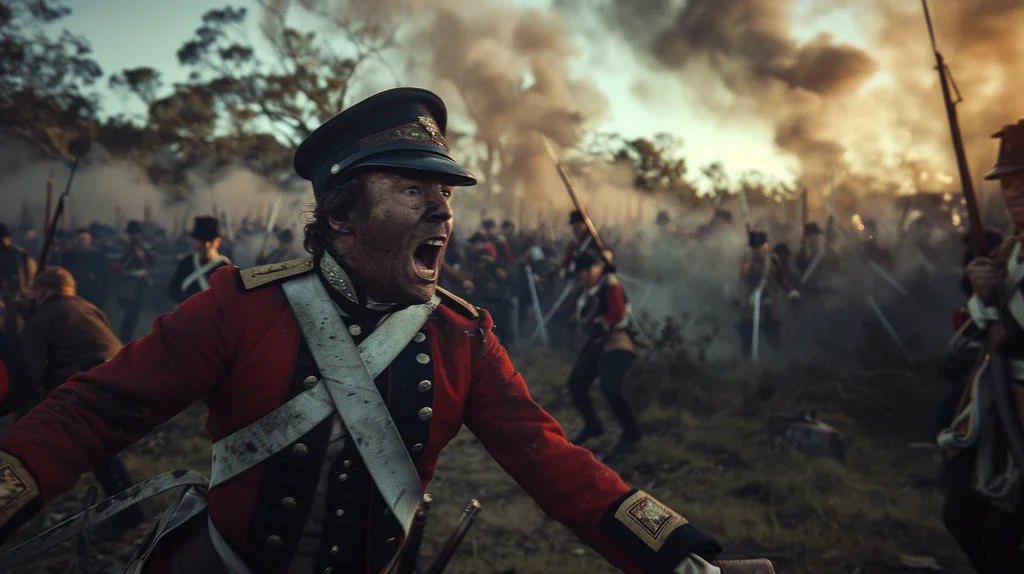
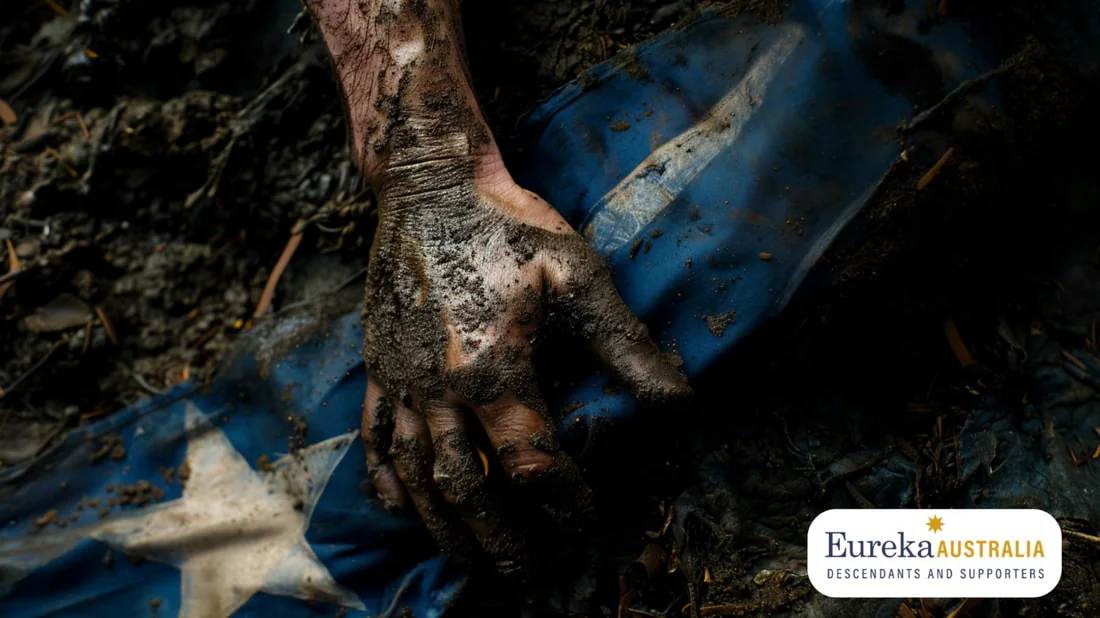
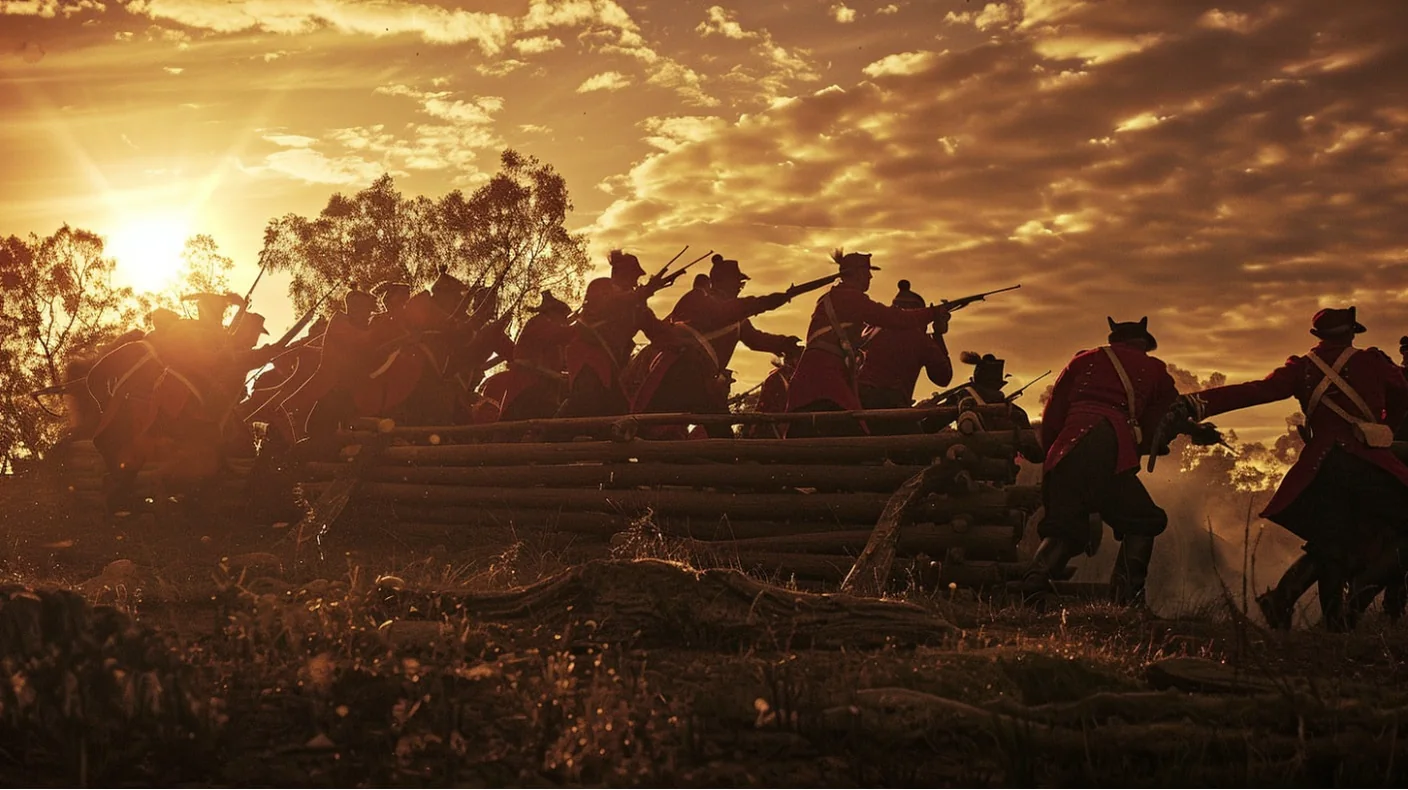
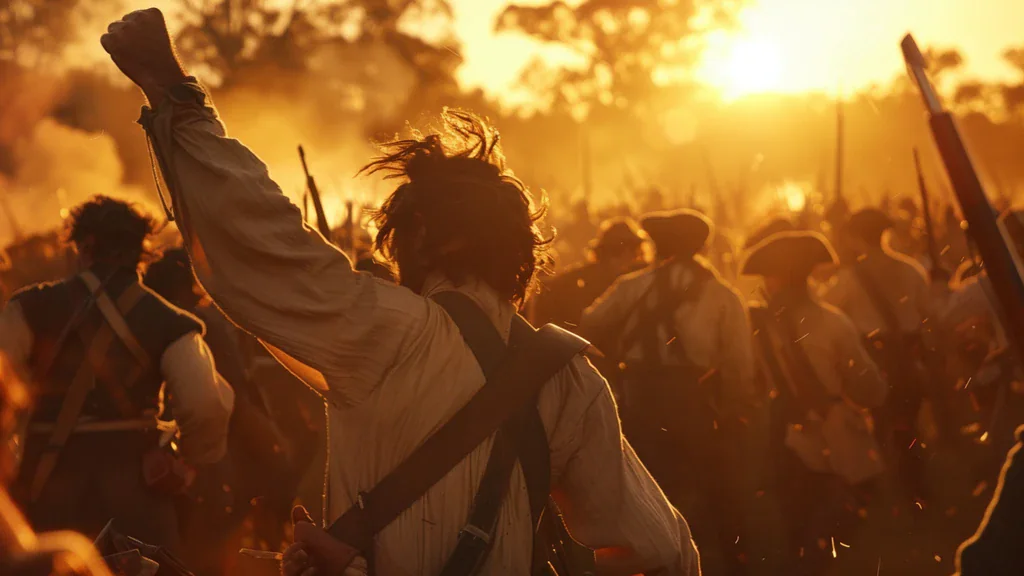
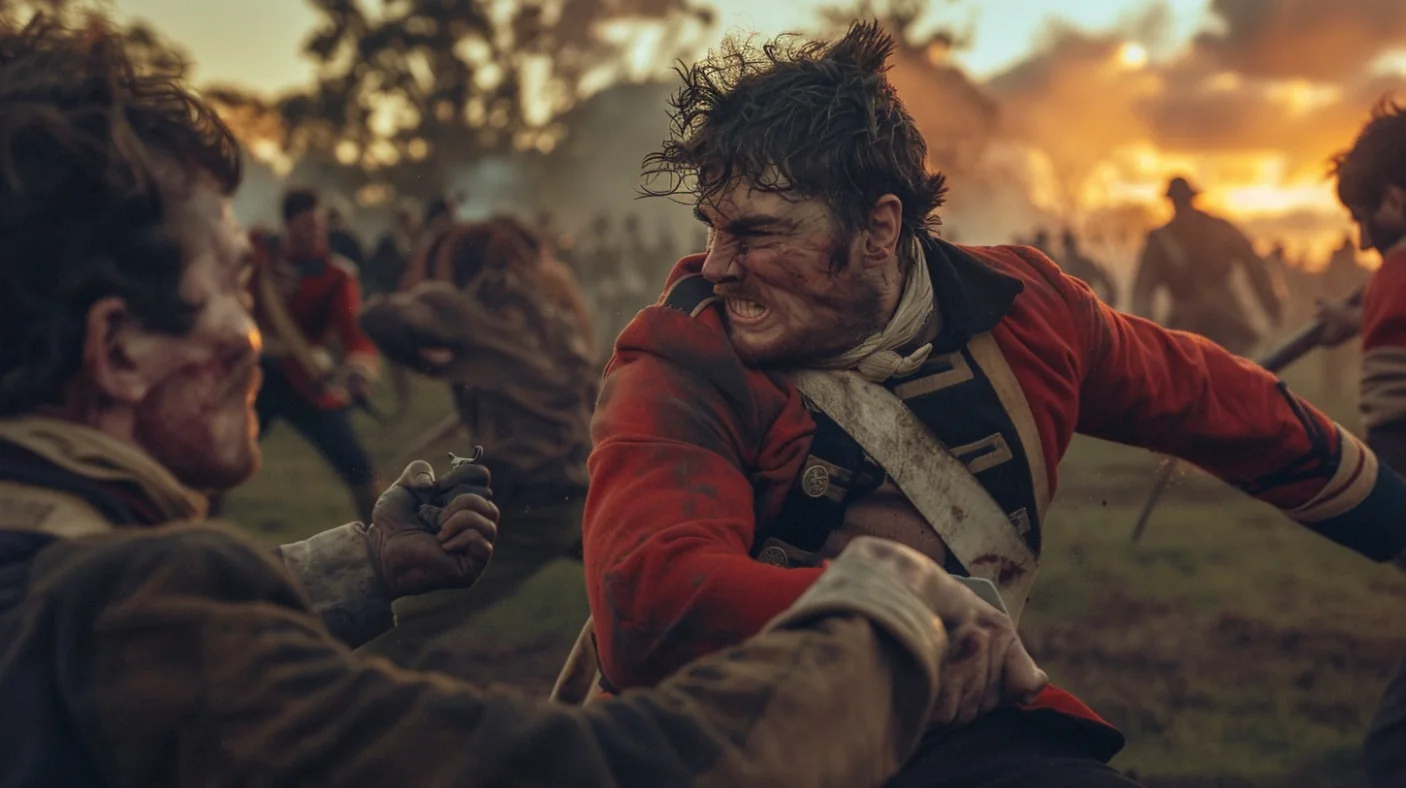
The visual direction came first: photorealistic scenes, warm goldfield and firelit tones, portraits, crowds, the conflict itself. Then individual still images were made and put in front of the researchers before anything moved.
They checked uniform and jacket colours, hats and period clothing, facial hair and grooming, the time of day, environmental conditions, crowd behaviour, expressions and motivation, and the organisation and intensity of the fighting. Inaccuracies were caught at that stage, when they were cheap to fix. Only approved frames went into motion.
That verification pass is the whole difference between a reconstruction and a costume drama. These images are historically informed reconstructions, not archival photographs, and they were never allowed to invent something the record does not support.
1%Of the estimated cost of a comparable traditional documentary.
- 04
Make it twice
Approved visuals were combined with the script, voiceover, motion and pacing, then delivered as two treatments off the same research foundation.
The younger version is not a simplified retelling with the history taken out. It is the same story told in a register an eight year old can meet, which is what makes it usable in a primary classroom.
“Working with Absolutely AI has offered us a window into the past, letting us meet the eyes of those who stood at Eureka.”
03Results
What Eureka Australia got
Two audience versions of the documentary, a structured narrative, script and voiceover, historically informed imagery, cinematic motion sequences, and supporting imagery for educational and promotional use. Eureka Australia reports that it is now used as an educational resource by schools and museums around Australia.
It was completed in three months for roughly one per cent of the estimated budget of a comparable traditional production. That number is not a boast about cheapness. It is the reason the film exists at all: at conventional cost, with sets, locations, costumes and a shooting schedule, this documentary would never have been commissioned.
Eureka Australia reports greater media attention, more website traffic, stronger engagement with younger audiences and new fundraising conversations. Those remain qualitative. What is certain is that an association with more research than production budget now has a resource that puts its story in front of the people it was worried about losing.
04Where it goes next
Which stories are now worth telling
The same model fits museums, historical societies, libraries, archives, heritage sites and civic institutions: organisations holding significant research and very little imagery. Combine expert knowledge with documentary structure, verify the stills before production, then adapt the treatment to the audience.
The broader shift is about what gets made. Stories with limited surviving imagery, small institutional budgets or high reconstruction costs can now be considered seriously. Research, craft and direction still decide whether the result is any good. Sensitive histories still need their custodians in the room.
- 3Months, research to delivery.
- 1%Of a comparable production budget.
- 2Versions, cinematic and animated.