Case study 09Private health insurance2025
Australian UnityFour regional settings, no location shoots
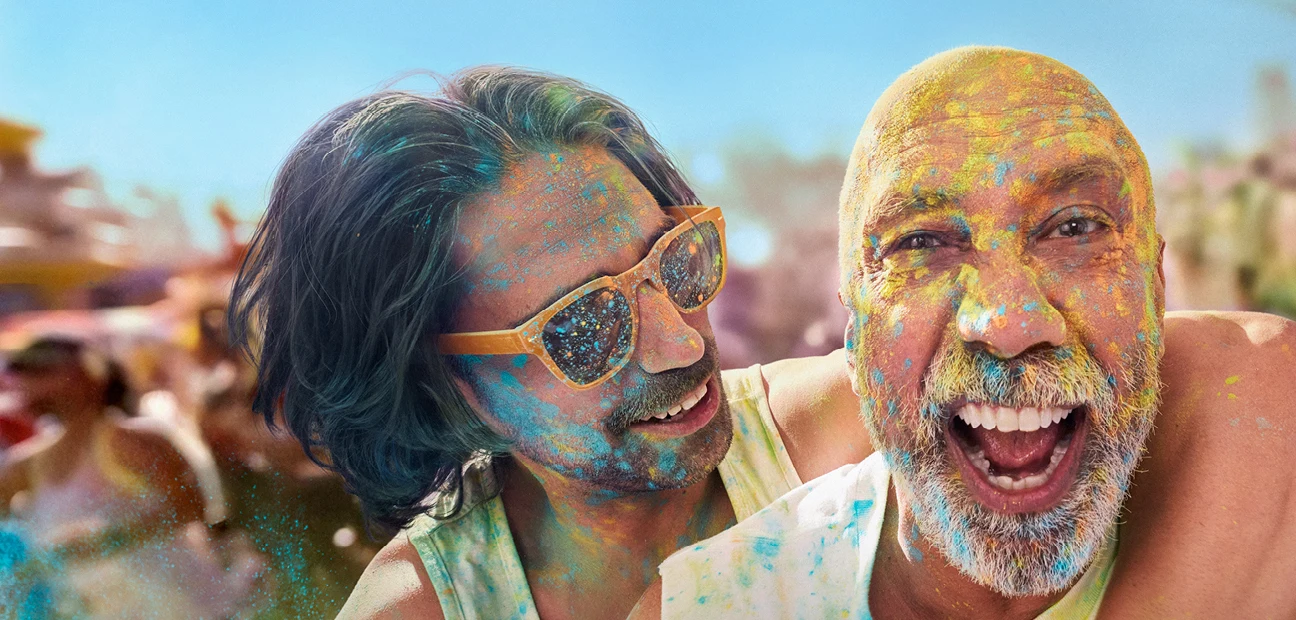
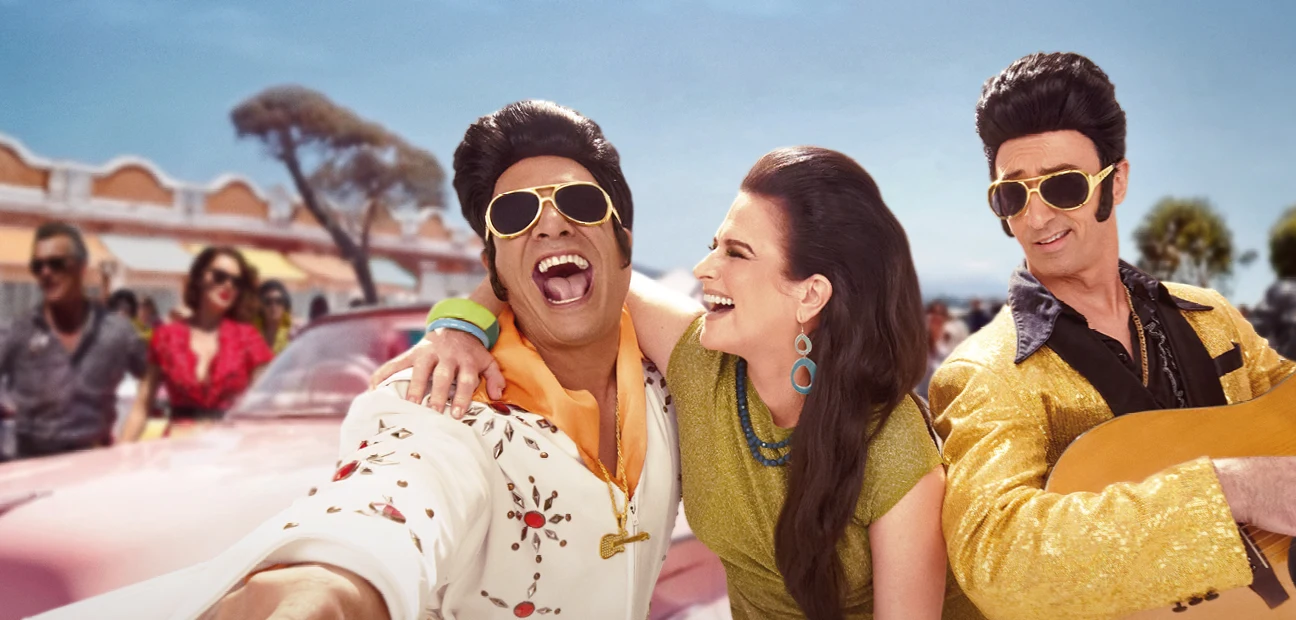
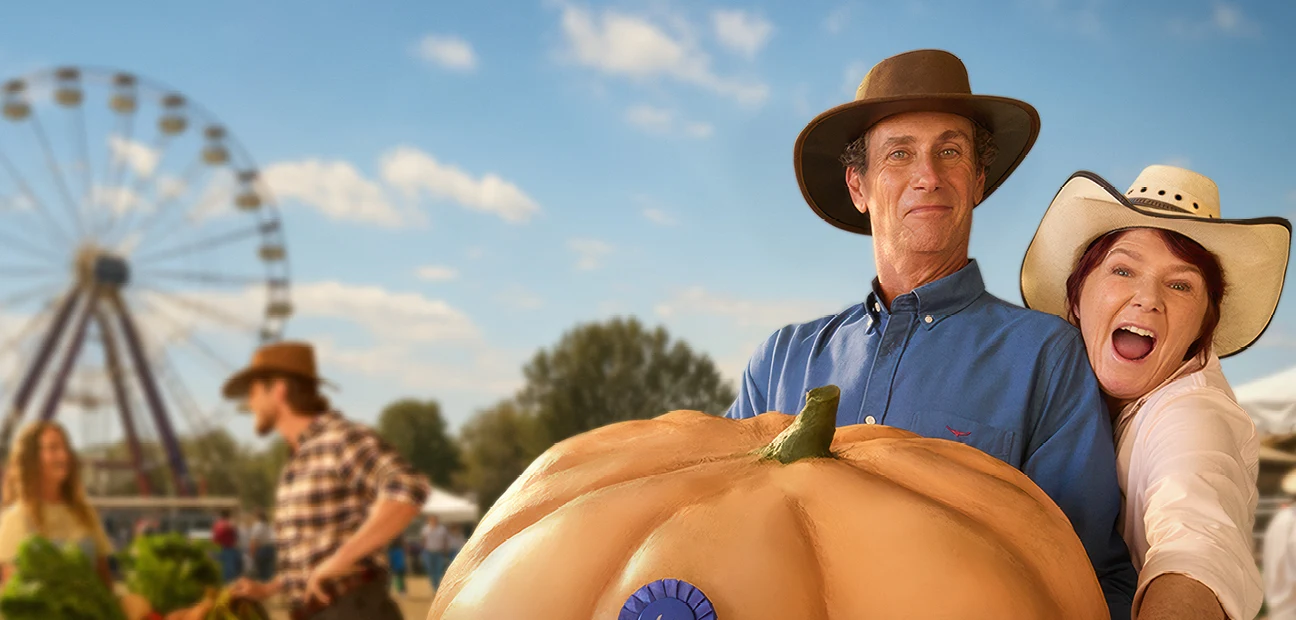
A country show, a regional gig, the Parkes Elvis event and a colour run. Four regional worlds for an out of home campaign, built around eleven real people photographed once.
- Client
- Australian Unity
- Campaign
- Worth Doing Well
- Year
- 2025
- Industry
- Private health insurance
- Type
- Hybrid AI production, commissioned by Sure Studios
- Our part
- The four environments
01The ask
The client and the ask
Australian Unity was established in 1840 and calls itself Australia's first wellbeing company. It is member owned, it reports more than 370,000 members, and it competes for private health cover against much louder national brands. Its Worth Doing Well platform argues that health insurance is worth having because of the days it gives you back.
The campaign needed four out of home visuals of people enjoying distinctly regional experiences: a country show, a regional gig, the Parkes Elvis event and a colour run. Each one had to feel true to its setting rather than a generic background with a local prop dropped in front of it, and each had to hold up at billboard scale.
Absolutely AI was commissioned by Sure Studios to build the environments. The division of labour was set before we started: eleven real people were photographed in a studio over one eight hour shoot, and the world around them was created afterwards. In health and care, the faces are the part you do not fake.
- 4Regional settings created without four location shoots.
- 11Real people, photographed in one eight hour studio session.
- 10 to 20%Saved across total production time, including pre production.
02The approach
Keep the people, change the world
- 01
Set the line between real and generated
The boundary was agreed before any environment existed. AI could develop locations, background activity, event atmosphere, supporting objects and regional cues. It could not touch the talent, their expressions, their styling or the approved interactions between them, and any background figures had to stay incidental and unidentifiable.
For a health and care brand, that line is the whole argument. It let Australian Unity use the technology where it saved real production effort without putting an invented person in front of its members.
- 02
Build the environment to fit the photography
The talent files arrived clean, shot on a backdrop under controlled light. Each world then had to be constructed around the position, scale and lighting they were already in, so the final image would read as one photograph rather than a person pasted onto a scene.
Composition mattered as much as content. Every visual needed space for the campaign lockup and enough separation between subject and background to survive enlargement to a billboard.
- 03
AI conceptualisation
These were not open briefs. The campaign team knew what each scene should contain: a Ferris wheel, stalls and fairground activity for the country show, a pink Cadillac and period styling for Parkes, movement and colour for the run, stage energy for the gig, and no prominent or identifiable people anywhere in the background.
Working to that level of specificity is where the specialist work sits. Change one detail and unrelated things move: the camera angle drifts, a crowd figure becomes too prominent, a local cue starts to look inserted. Sometimes rebuilding a section outright was faster and better than correcting a compromised output, and knowing when to do that is the skill.
Options went back and forth with the campaign team on whether the setting read as the right event, what to add or remove, how loud the background should be, and whether the light still matched the people. The first result was never treated as the answer.
4Environments art directed to a client vision that already existed.
- 04
Hand back for the craft layer
Once the environments were approved, the wider post production team combined the photography and the settings and took the images through compositing, shadow and colour consistency, retouching, grading and final out of home checks. The finished campaign is the result of that whole chain, not of any single stage.

03Results
What Australian Unity got
Four master regional scenarios for out of home, each built around the same eleven photographed people, delivered without four separate location shoots, four sets of travel and permits, or four weather contingencies.
The confirmed efficiency is approximately 10 to 20 percent across total production time, including pre production, with the physical shoot done in eight hours rather than two or more days. That figure is honest about what AI does not remove: time came back on location, and some of it went into testing generations, responding to feedback and finishing the images properly.
The brand result is the more interesting one. A trust sensitive organisation used generative AI on a national campaign without putting artificial people at the centre of it, and without making the technology the story.
04Where it goes next
One shoot, many markets
The model fits any brand that needs the same people in different places: localised retail creative, tourism, automotive, community services, seasonal variations of one platform. Photograph the subject once under control, then build the world.
It works best where human authenticity is non negotiable, several environments are required, and the foreground has to stay identical across all of them. Reusing approved talent in new settings is subject to talent rights and client approval, so that is a conversation, not an assumption.
- 4Regional worlds, no location shoots.
- 11People, one eight hour session.
- 10 to 20%Total production time saved.